

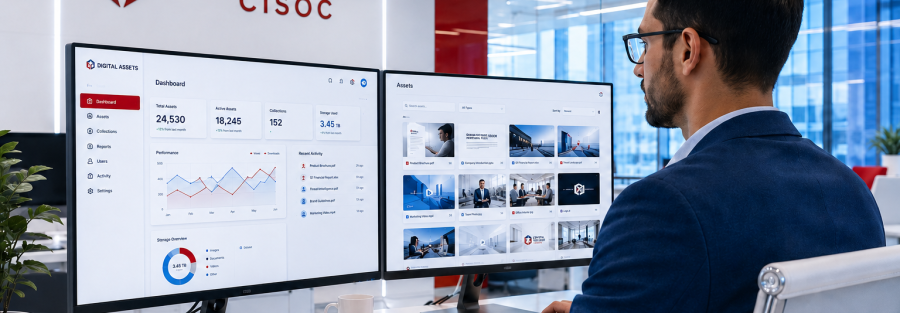
For many business leaders, a Security Operations Center (SOC) conjures up Hollywood imagery: a dark room filled with glowing green text, flashing red alarms, and engineers frantically hacking back against a villain in real time.
But in reality, a world class 24/7 SOC like the one protecting enterprises at Crystal Technologies operates with a much more calculated, calm, and devastatingly efficient precision.
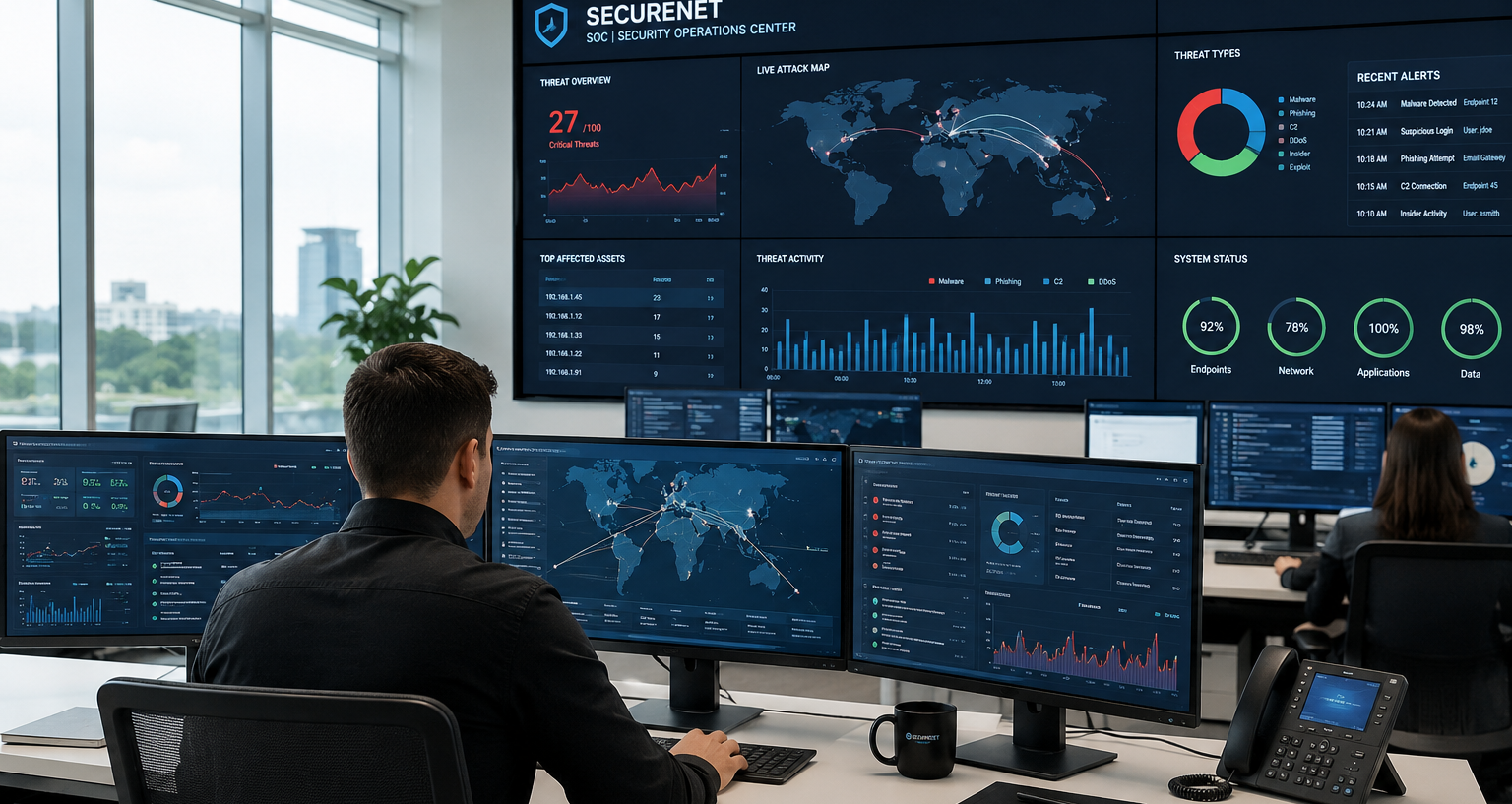
With East Africa’s digital economy expanding rapidly, cyber threats are no longer just an “IT department problem.” They are a direct risk to business continuity. Let’s pull back the curtain on what continuous, round the clock vigilance actually looks like on the corporate frontline.
What is a SOC, really?
A Security Operations Centre is a dedicated facility where cybersecurity professionals monitor, detect, analyse, and respond to threats around the clock. Think of it as the central nervous system of an organisation’s cyber defence pulling signals from firewalls, endpoints, cloud environments, and user behaviour tools into a single pane of glass.
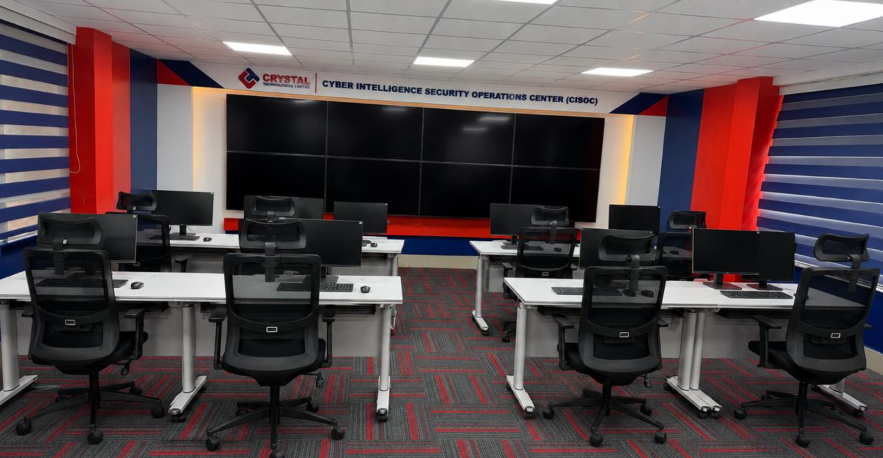
At Crystal Technologies Centre, our SOC combines experienced human analysts with advanced Security Information and Event Management (SIEM) technology, threat intelligence feeds, and automated response workflows so that when something unusual happens on your network, we know about it in seconds, not days.
Phase 1: The Invisible Shield (Continuous Ingestion)
The clock never stops. While your team sleeps, finishes weekend plans, or focuses on client meetings, our SOC is ingesting millions of data points every second.
Through advanced SIEM (Security Information and Event Management) systems and Endpoint Detection and Response (EDR), we monitor logs from your servers, firewalls, cloud storage, and employee endpoints.
- The Reality Check: A staggering 95% of the data ingested is noise, routine employee logins, scheduled backups, and safe web traffic. The magic of a modern SOC isn’t just gathering data; it’s using behavioral analytics to isolate the subtle anomalies hidden within that noise.
Phase 2: Triage and the Myth of the “Red Alert”
When a flag is raised, the Hollywood drama dissolves into structured engineering. It’s rarely a massive flashing light; instead, it’s a slight variance. Perhaps an account executive credentials validated into the system from Nairobi at 9:00 AM, but their user profile simultaneously attempted a database query from an unusual cloud IP address three minutes later.
This is where Alert Triage takes over. Rather than overwhelming your internal IT team with thousands of false positives, Crystal Technologies’ analysts validate and categorize threats within minutes.
- Level 1 (Low): Known patterns, automated remediation (e.g., a blocked phishing attempt).
- Level 2 (Medium): Suspicious behavior requiring analytical investigation.
- Level 3 (High): An active incident requiring immediate, manual isolation.
Phase 3: The Active Containment.
If a threat is validated as a live attack such as a piece of ransomware attempting to quietly encrypt data on an endpoint the response is instantaneous.
Our analysts don’t wait until Monday morning. Utilizing pre-built playbook mechanics and Endpoint Detection & Response (EDR/XDR) tools, the compromised device or user session is isolated from the rest of your network. The threat is contained before it can move laterally across your business infrastructure.
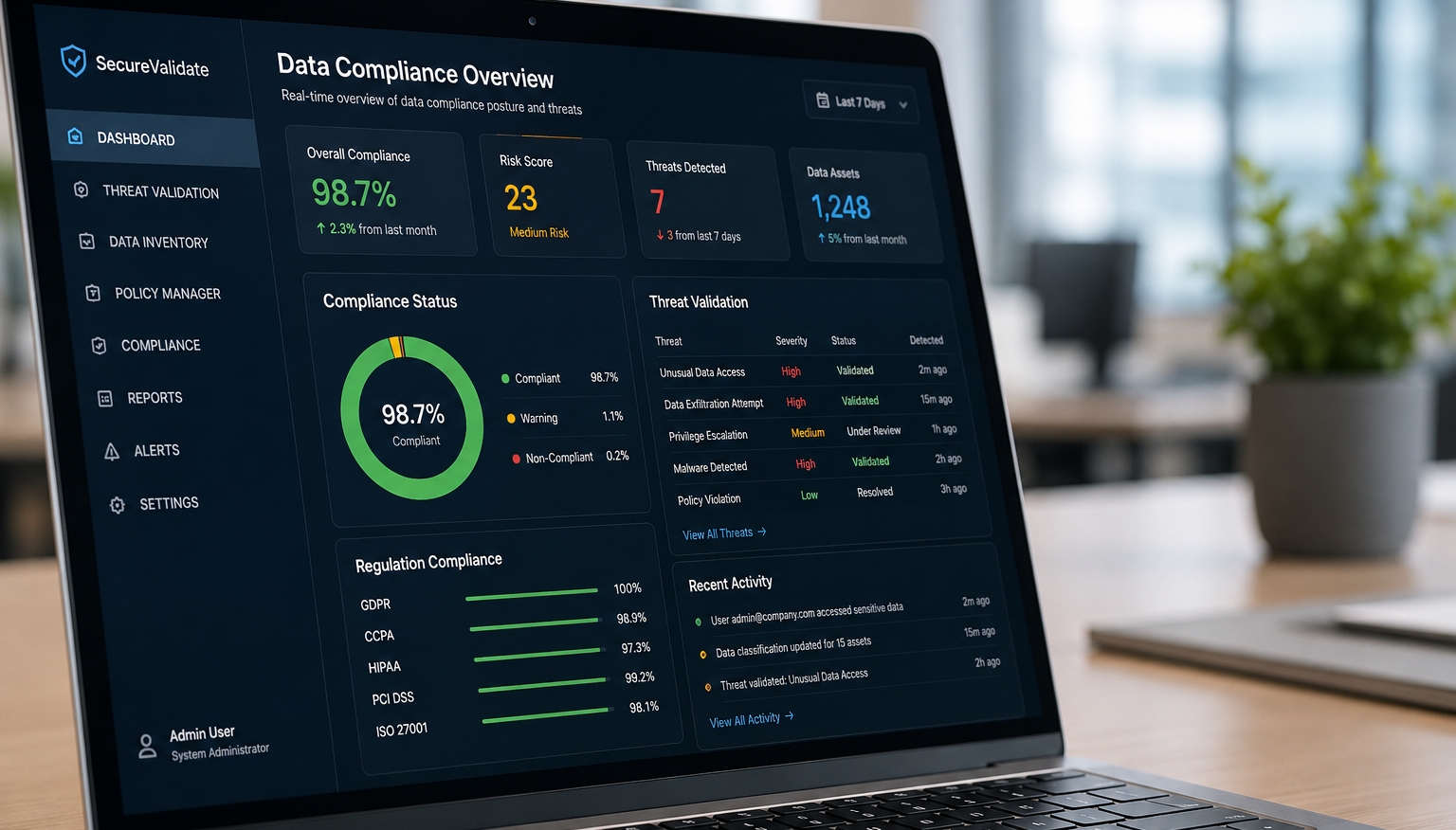
By dawn, your business operations continue uninterrupted, while your executive team receives a clean, transparent incident report detailing exactly what was detected, how it was handled, and how defenses were hardened against future variants.
Why 24/7 matters especially in Africa.
Cyberattacks don’t respect business hours. Ransomware operators, phishing campaigns, and data exfiltration attempts are increasingly timed for weekends and public holidays precisely because organisations tend to have reduced security coverage. In Kenya and across East Africa, the rapid digitalisation of financial services, government systems, and SMEs has made the region an increasingly attractive target.
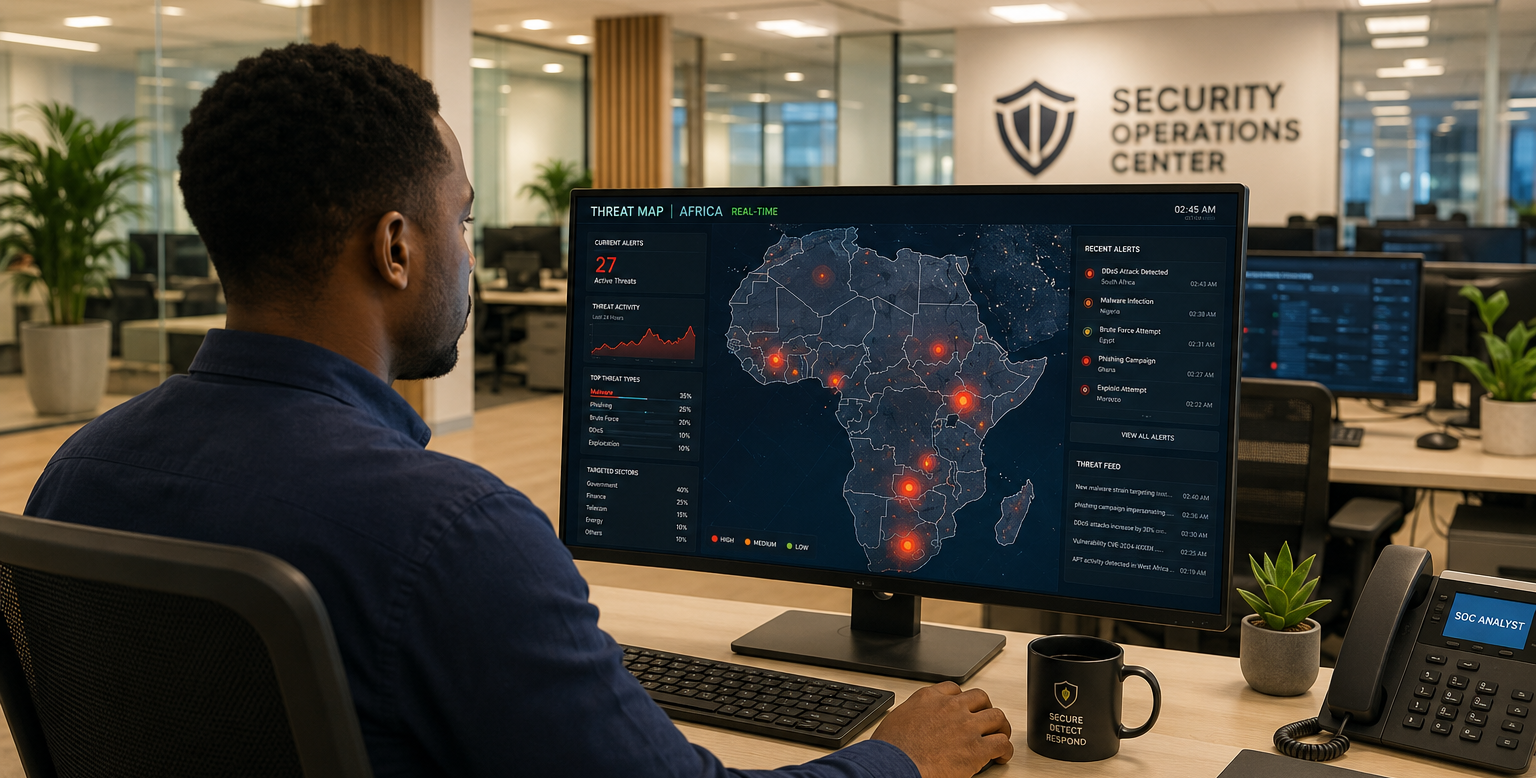
A SOC that only monitors 9-to-5 is only half a SOC. Continuous, 24/7 coverage is what separates organisations that detect threats in minutes from those that discover a breach weeks later during a routine audit.
Is a SOC right for your organisation?
If your organization handles customer data, financial transactions, or sensitive government information or if you operate within a regulated industry continuous security monitoring is no longer optional. It is baseline hygiene. The question is not whether you need a SOC, but whether you build one internally, co-manage one with a partner, or leverage a fully managed service.
Crystal Technologies Centre offers flexible SOC models designed to meet organizations where they are whether you are taking your first steps in structured cyber defense or looking to augment an existing security team. For more information, contact our analysts today at support@crystaltech.co.ke. We’re here to help.

 Chat with Us