

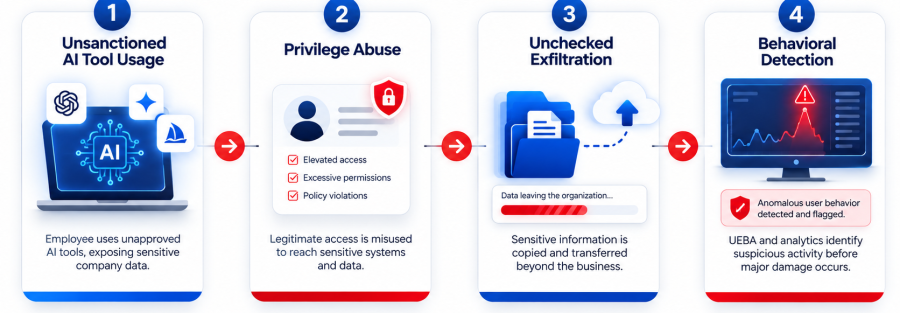
When leaders assess cyber risk, the mind instantly jumps to external threats: state-sponsored hacking syndicates, ransomware operations, or complex phishing schemes.
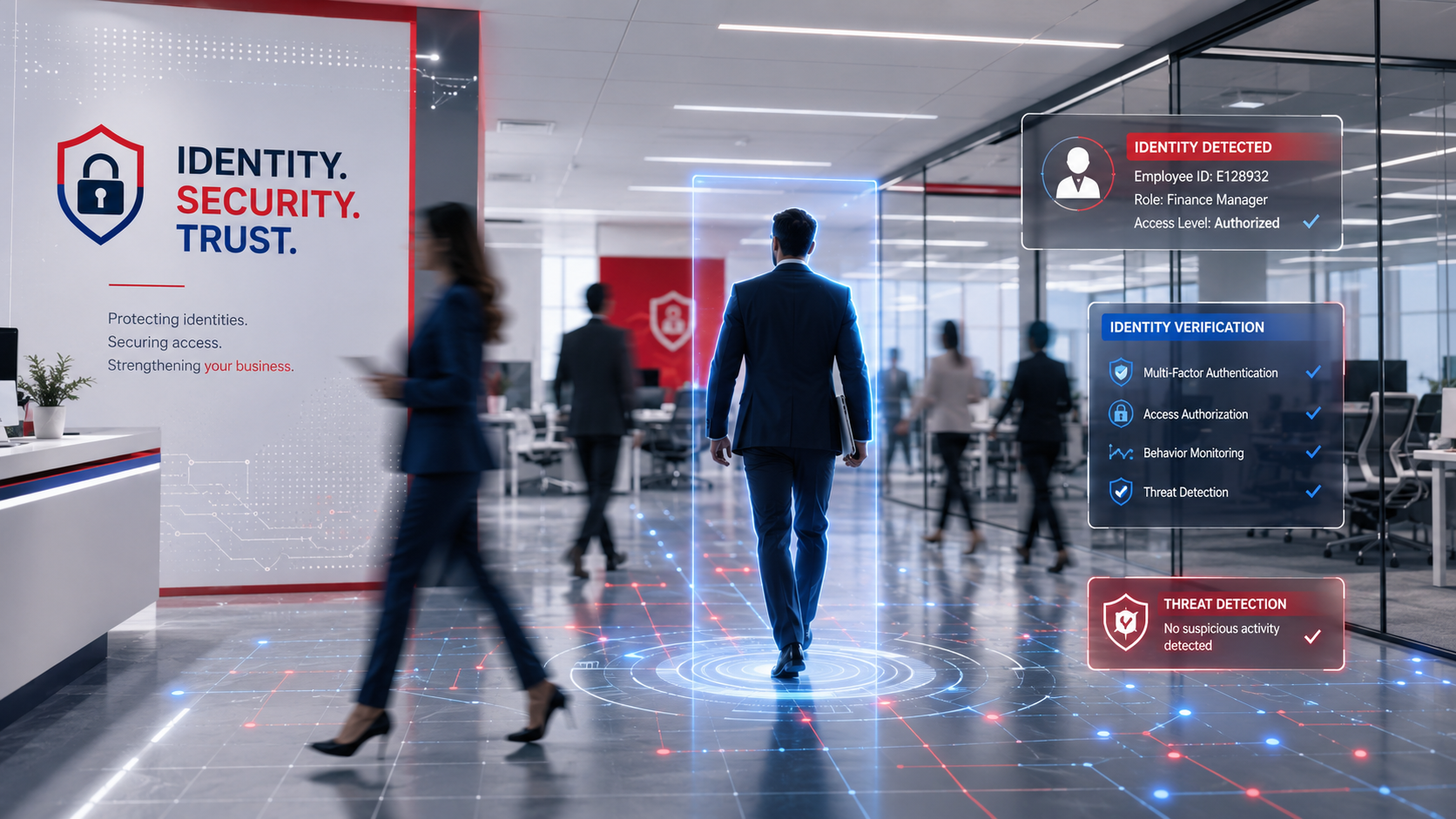
However, in 2026, the most dangerous vector bypassing your perimeters isn’t an external actor breaching your firewall, it’s an authorized identity walking through your front door or logging into your cloud environment.
Insider threats have officially evolved from a compliance line item into a primary operational liability.
Why the Insider Threat Landscape Shifted in 2026.
Traditional security controls were built on a binary assumption: outside is untrusted, inside is trusted. Three major shifts have dismantled this model:
1.The Explosion of “Shadow AI” & Unsanctioned SaaS
Employees aiming for efficiency frequently feed sensitive corporate IP, client records, or financial models into unsanctioned public AI tools. Over 50% of organizations now deal with unmanaged AI tools accessing internal data streams creating invisible pathways for data leakage.
2. Identity Is the New Perimeter
With widespread hybrid work and multi-cloud environments, attackers rarely write custom malware when they can simply compromise or buy legitimate employee credentials. To legacy monitoring systems, a malicious actor using stolen credentials looks identical to a high-performing remote employee.
3. Human Negligence vs. Intentional Sabotage
More than 55% of insider security events do not stem from bad actors, but from negligent insiders staff who bypass MFA out of friction, fall for AI-enhanced social engineering, or misconfigure cloud permissions.
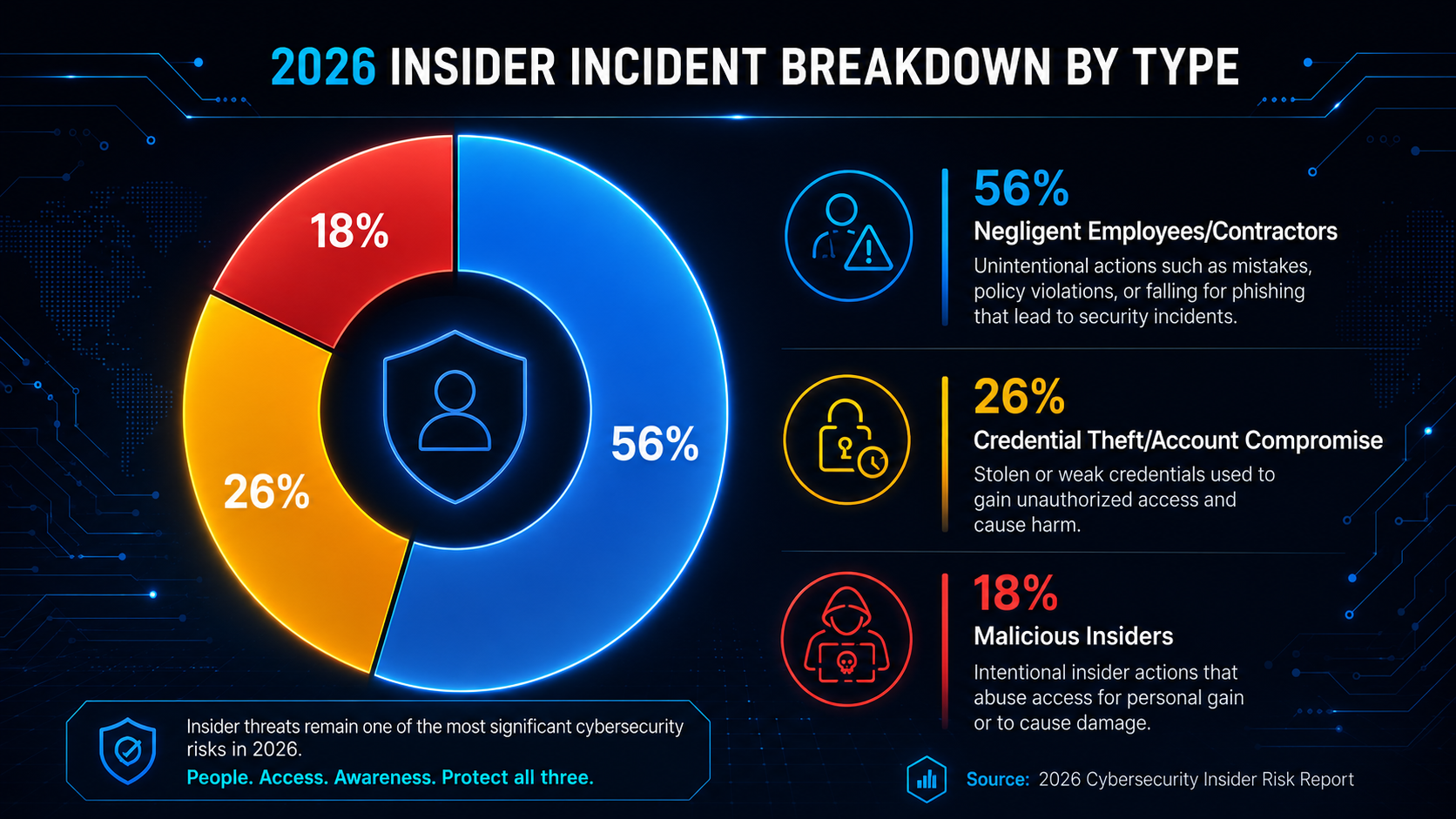
The Real Cost of Looking the Other Way.
Containment delays exacerbate the damage. Studies indicate that resolving an insider incident takes an average of 67 days, with total costs exceeding millions per incident when factoring in business disruption, legal exposure, and reputational loss.
In our region, where organizations are undergoing rapid digital transformation, a single unmonitored breach can halt enterprise operations overnight.
How Crystal Technologies Secures Your Internal Ecosystem.
Stopping insider threats requires moving beyond static log checks to behavioral intelligence and zero-trust identity architectures.
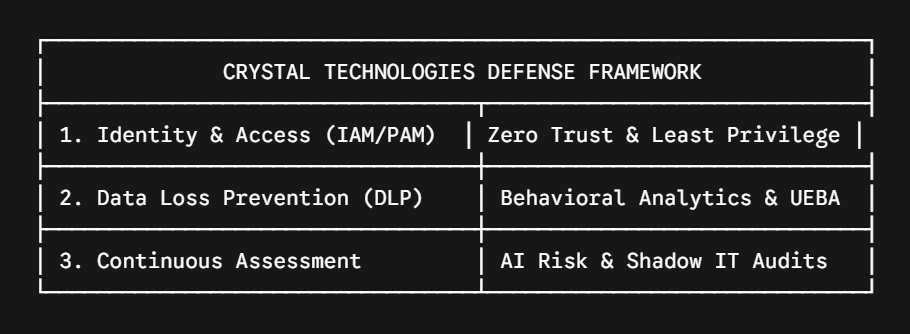
At Crystal Technologies, we help regional enterprises build proactive defenses against internal risks:
- User & Entity Behavior Analytics (UEBA): AI-driven monitoring that flags abnormal data transfers, off-hours access, or sudden privilege escalations in real-time.
- Zero-Trust Access Control: Enforcing strict least-privilege principles, continuous authentication, and micro-segmentation across your cloud and hybrid infrastructure.
- Data Loss Prevention (DLP) & AI Governance: Visibility into where your sensitive data lives and restricting unsanctioned shadow AI applications.
Take Control of Your Internal Security.
Don’t wait for an internal anomaly to become a front-page data breach. Partner with a team that understands the regional threat landscape intimately.
Request a Technical Risk & Insider Threat Assessment
Contact Crystal Technologies today to speak with our security architects.


 Chat with Us