

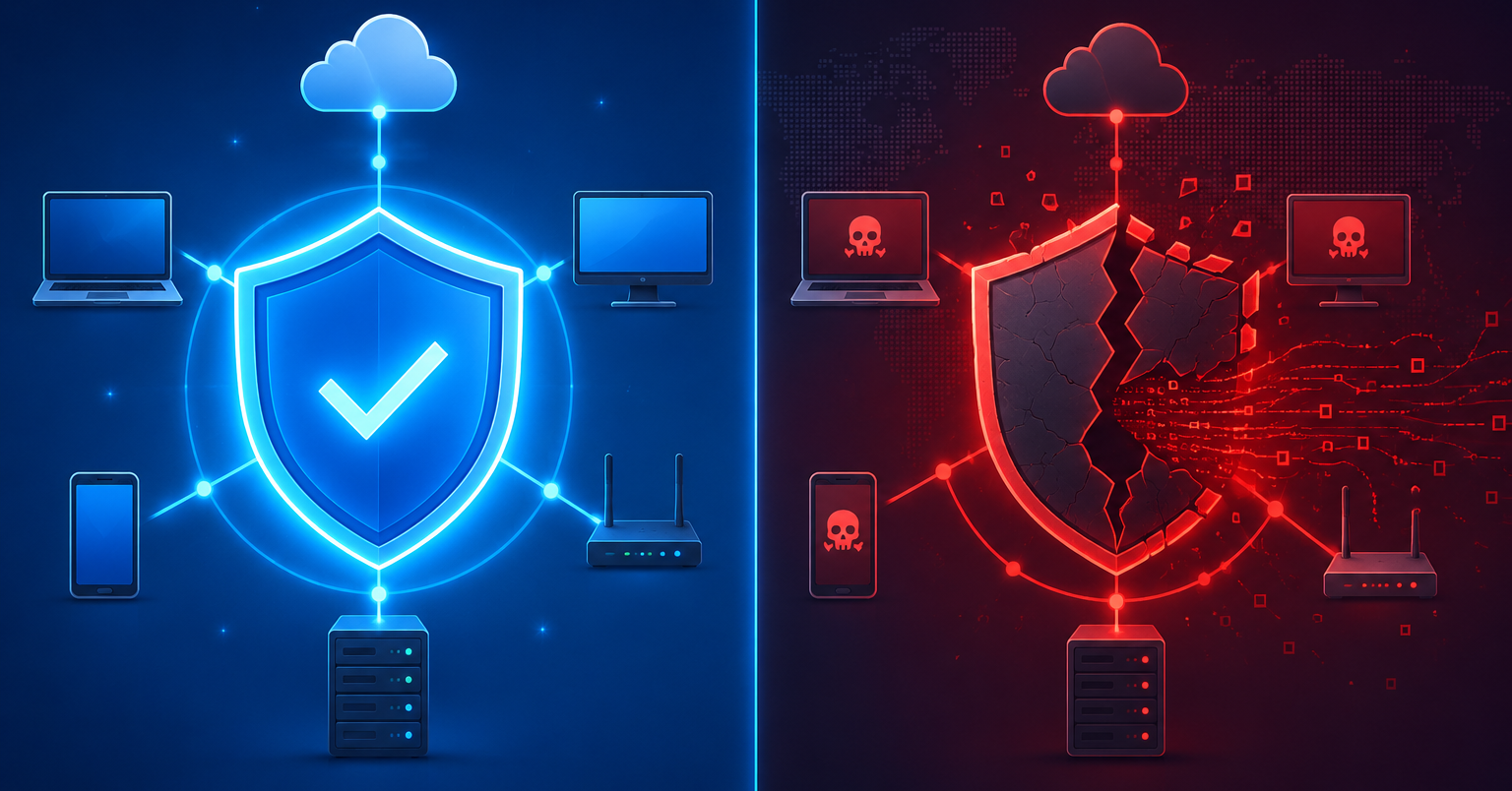
Most businesses don’t think about cybersecurity until something breaks. A server goes down, a customer reports a phishing email impersonating the company, or worse, ransomware locks an entire system. This “fix it when it breaks” approach is called reactive cybersecurity, and while it feels manageable in the short term, it quietly drains far more money, time, and trust than most leaders realize.
What Is Reactive Cybersecurity, Really?
Reactive cybersecurity means responding to threats only after they’ve already caused damage. It looks like patching software after a breach instead of before one, training staff on phishing only after someone clicks a malicious link, or building an incident response plan while an incident is actively unfolding. It is security by emergency, not by design.

Why Mid-Sized Businesses Are the Sweet Spot for Attackers.
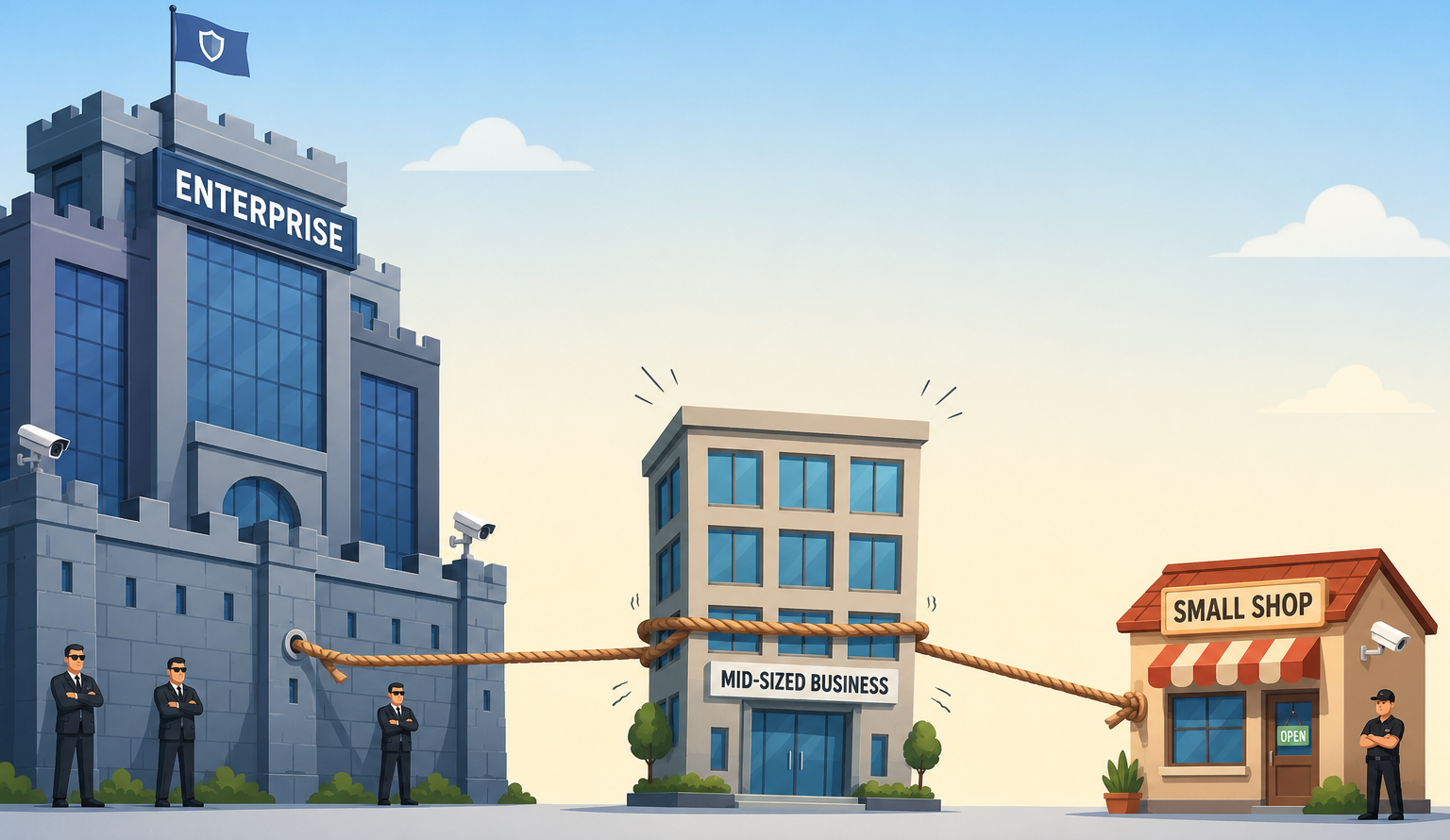
Large enterprises have dedicated security operations centers. Small businesses are often considered “too small” to be lucrative targets. Mid-sized businesses fall into a dangerous middle ground: they hold valuable data and run on digital infrastructure similar to large enterprises, but typically lack the budget, staff, or maturity to defend it properly. Attackers know this. Mid-sized firms are frequently seen as the easiest path to a meaningful payout with the least resistance.
The Costs That Don’t Show Up on the Invoice.
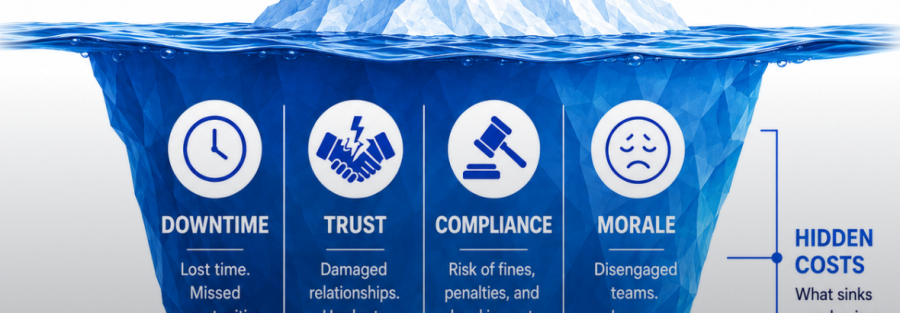
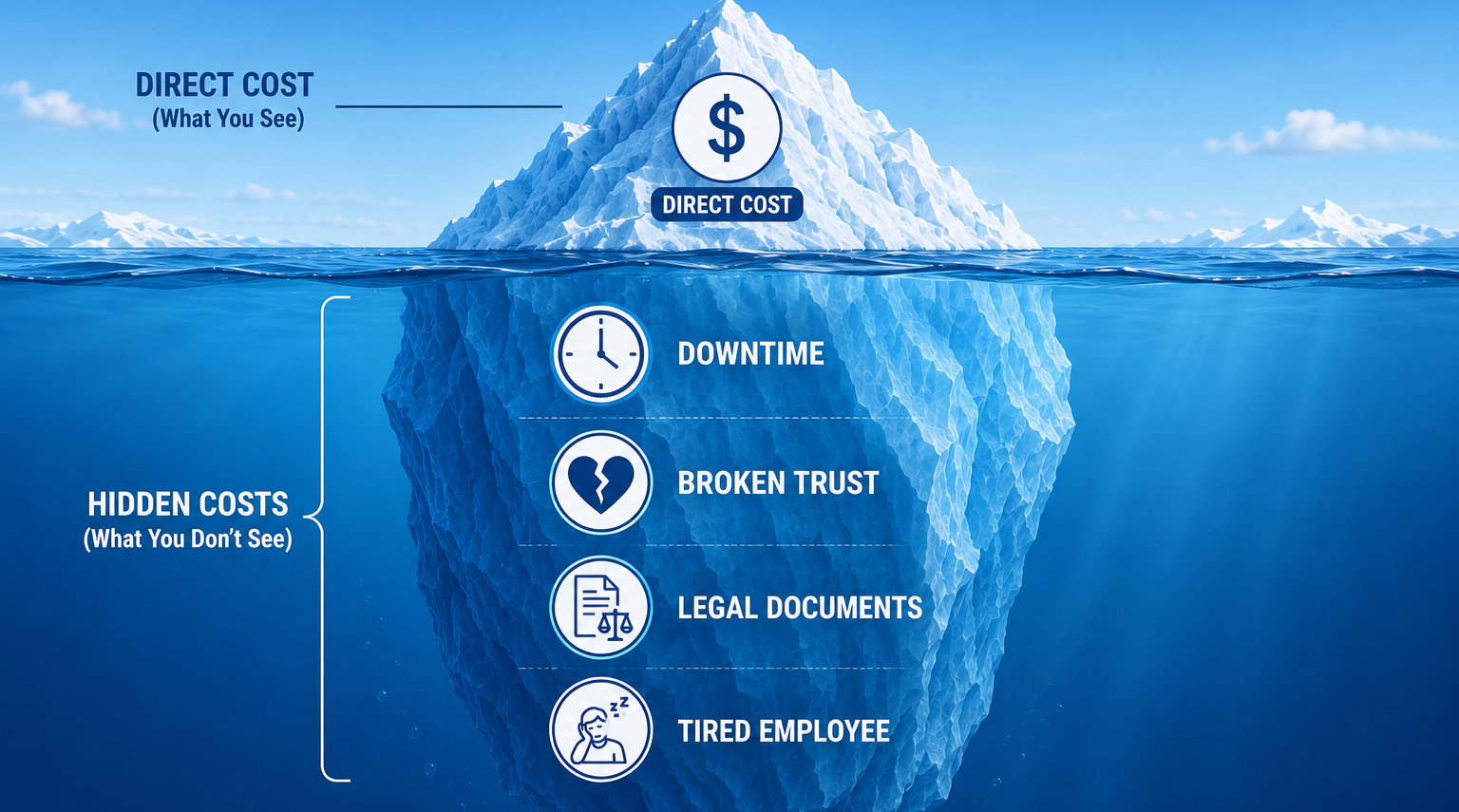
The direct cost of a breach (ransom, recovery, fines) is only part of the story. The hidden costs are often larger and longer-lasting:
- Operational downtime – every hour systems are down is an hour of lost productivity and revenue.
- Customer trust erosion – clients rarely return to a brand once they’ve lost confidence in how their data is handled.
- Compliance and legal exposure – regulatory penalties can follow long after the technical issue is resolved.
- Talent and morale strain – IT teams firefighting constantly burn out faster, leading to turnover and knowledge loss.
From Reactive to Resilient.
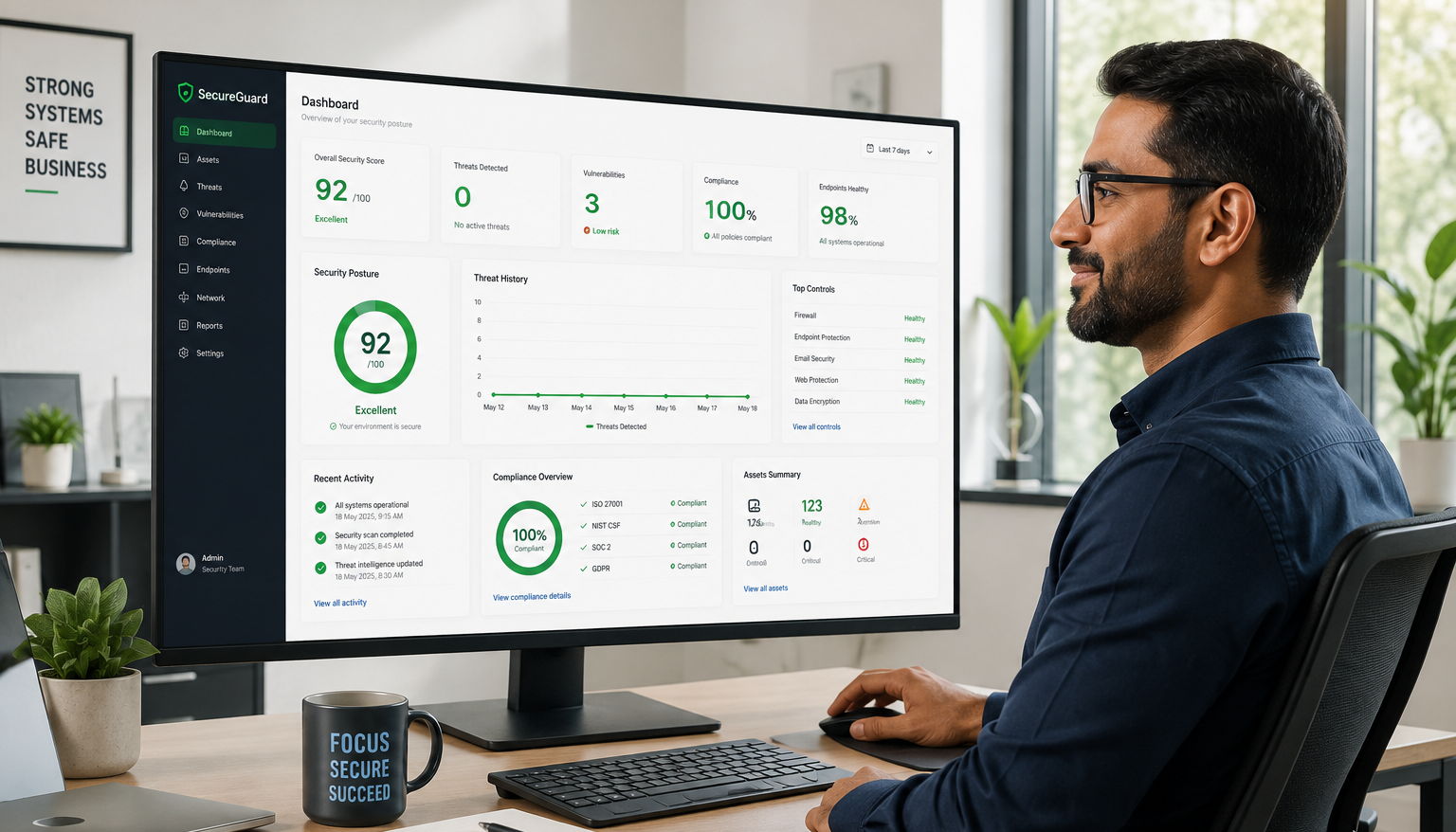
The shift from reactive to proactive cybersecurity isn’t about working harder during a crisis — it’s about reducing the number of crises altogether. This means continuous monitoring, regular vulnerability assessments, employee security awareness training, and a tested incident response plan built before it’s needed, not during the chaos of an actual attack.
The Crystal Technologies Take.
At Crystal Technologies Limited, we believe mid-sized businesses deserve enterprise-grade protection without enterprise-level complexity. Reactive security might feel cheaper today, but it’s a loan against tomorrow, with interest. Proactive security isn’t an expense; it’s the insurance policy that keeps your business open for business.


 Chat with Us