

From threat prevention to business resilience, cybersecurity priorities are evolving.
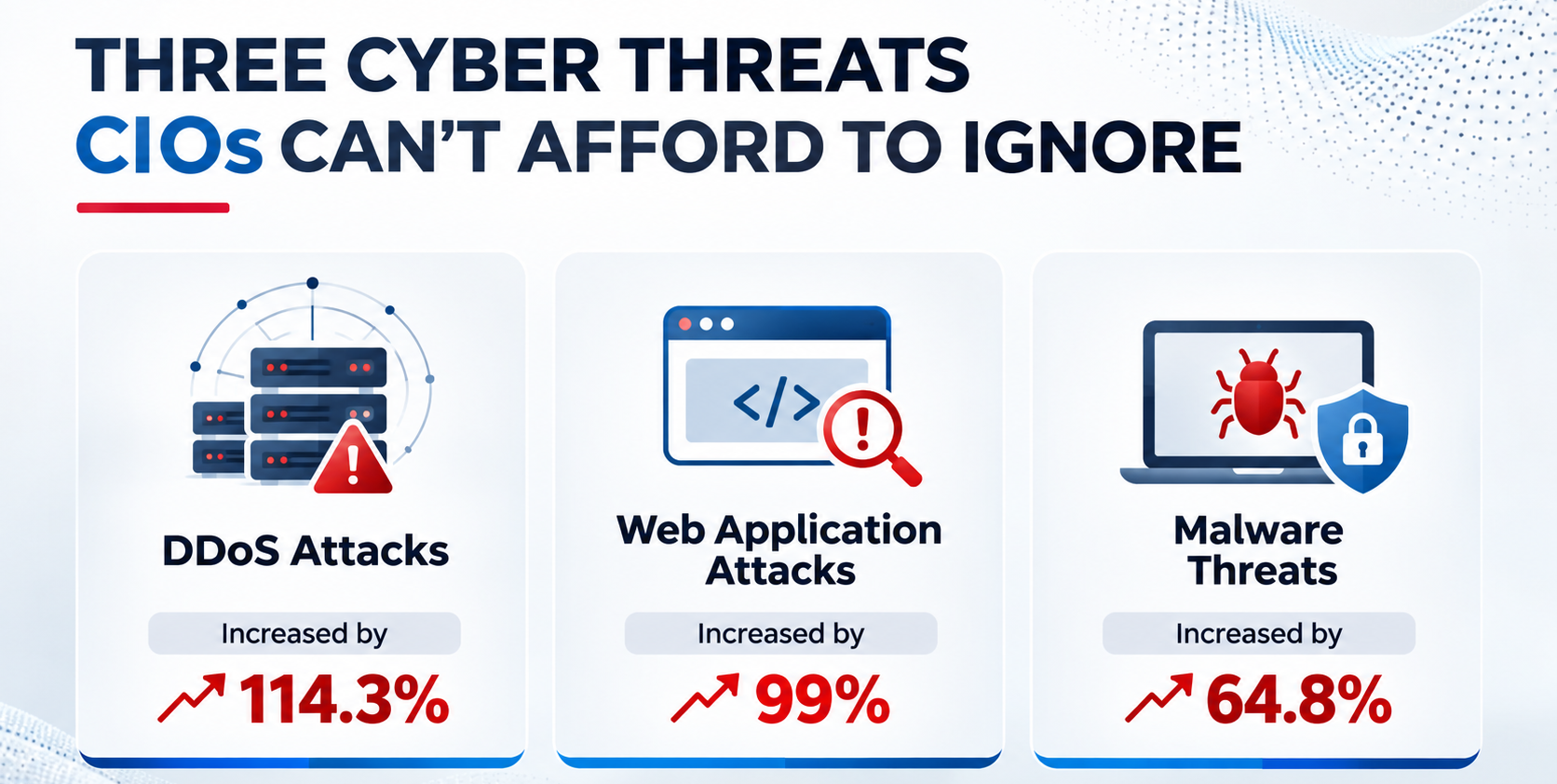
As Kenyan organisations accelerate digital transformation, cloud adoption, mobile services, and automation, their exposure to cyber threats continues to grow. From ransomware and phishing to DDoS attacks, compromised credentials, and vulnerabilities in digital infrastructure, cybersecurity is increasingly a business-critical priority.
For CIOs, 2027 calls for a more proactive, risk-driven approach to security one that protects critical assets, strengthens resilience, and supports business continuity.
6 Cybersecurity Priorities for CIOs in 2027.
- Strengthen Identity and Access Security
- Protect critical systems against compromised credentials, unauthorized access, and privilege abuse through multi-factor authentication, identity monitoring, and least-privilege access controls.
- Secure Endpoints and Remote Devices.
- Extend protection across laptops, servers, and mobile devices with endpoint detection and response (EDR), continuous monitoring, and effective threat containment.
- Secure Cloud and Digital Infrastructure.
- As cloud services, applications, and digital platforms expand, prioritise vulnerability management, secure configurations, patching, application security, and network protection.
- Invest in 24/7 Threat Detection and Response.
- Cyber threats do not operate within business hours. Continuous monitoring, threat intelligence, and Security Operations Centre (SOC) capabilities help organisations identify suspicious activity and respond before incidents escalate.
- Prioritise Business Continuity and Recovery
- Ransomware and cyber disruptions can impact operations, revenue, and customer trust. Ensure critical data is backed up, recovery plans are tested, and incident response procedures are clearly defined.
- Address Human and Third-Party Risk.
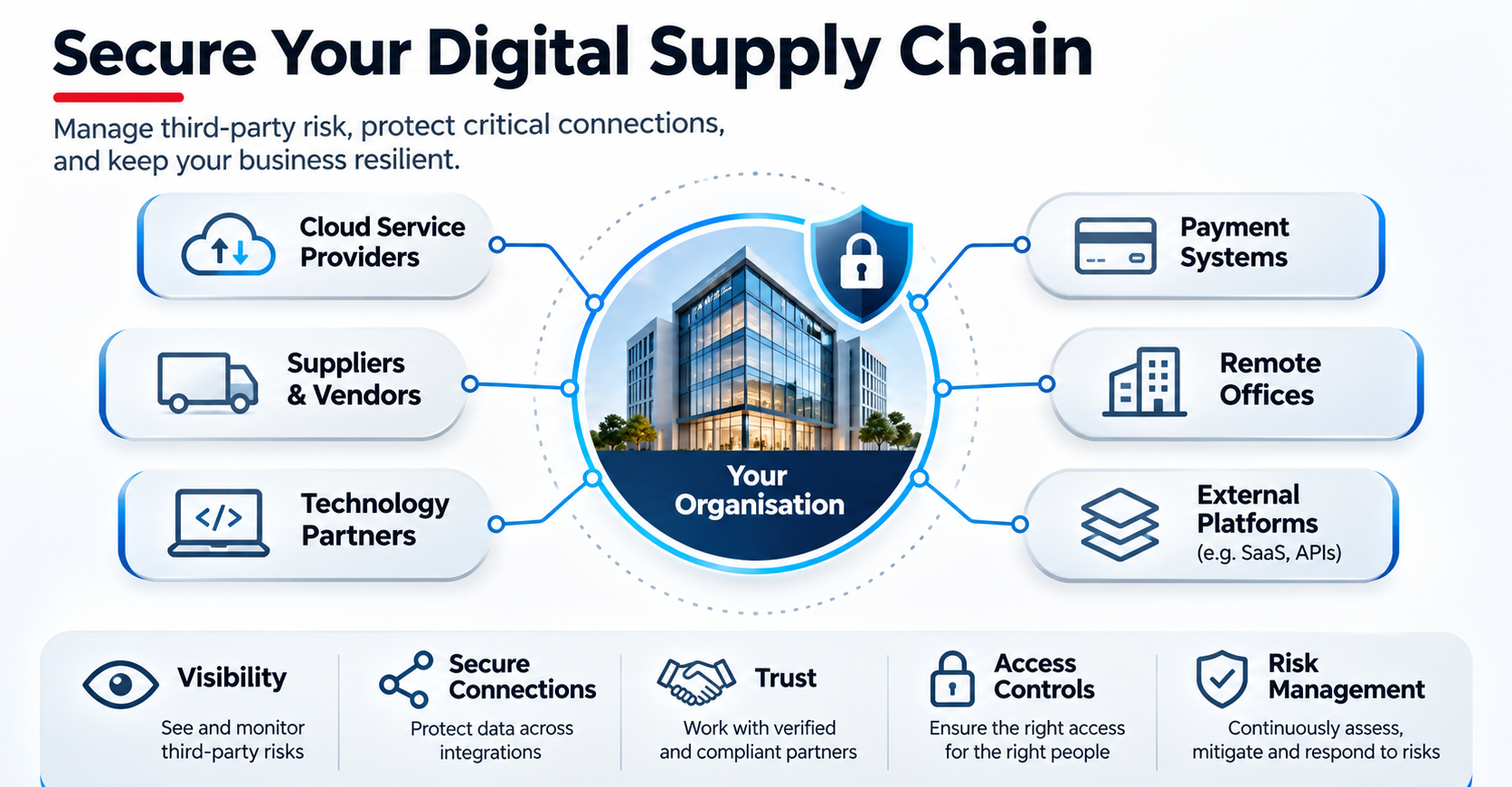
- Employees, vendors, and external partners can introduce security vulnerabilities. Strengthen cybersecurity awareness, supplier assessments, access controls, and security governance across your organisation.
Cybersecurity Must Evolve with Your Business.
A strong 2027 security strategy is not defined by how many security tools an organisation deploys, but by how effectively it identifies risk, detects threats, responds to incidents, and protects critical operations.
For Kenyan businesses, investing in proactive security, continuous visibility, and resilience will be essential to navigating an increasingly complex digital landscape.
The priority is clear: protect what matters, reduce risk, and keep business moving.

 Chat with Us