

The Real Price Tag of an Hour Offline
A minute ago, your systems were fine. Now the dashboard won’t load, the claims portal is frozen, and someone in the office just asked, “is it just us, or is everything down?” It’s a moment every insurer dreads and one most of us hope we’ll never have to live through.
Here’s the good news: you don’t have to guess how serious that moment could be. The data already tells us. Ask most insurance executives what an hour of downtime actually costs their business, and you’ll usually get a shrug “IT will sort it out.” But the numbers tell a different story.
Recent research shows over 90% of mid-size and large enterprises now report that a single hour of downtime costs upwards of $300,000, and some report losses exceeding $1 million per hour. For mid-market firms, the segment most regional insurers fall into, hourly losses commonly land between $100,000 and $300,000 once you account for halted transactions, idle staff, and recovery effort
Downtime isn’t a line item. It’s a balance sheet event.
Why Insurance Is Uniquely Exposed.
Insurance runs on trust and timing. A claim filed after an accident, a policy bound before a deadline, a broker checking cover before signing a client, none of it can wait. When systems go dark, insurers don’t just lose transactions; they lose the moments that matter most to the people depending on them. That makes the sector especially vulnerable to the cascading effects of an outage effects that go well beyond the server room.
Financial Loss: The Number Everyone Underestimates.
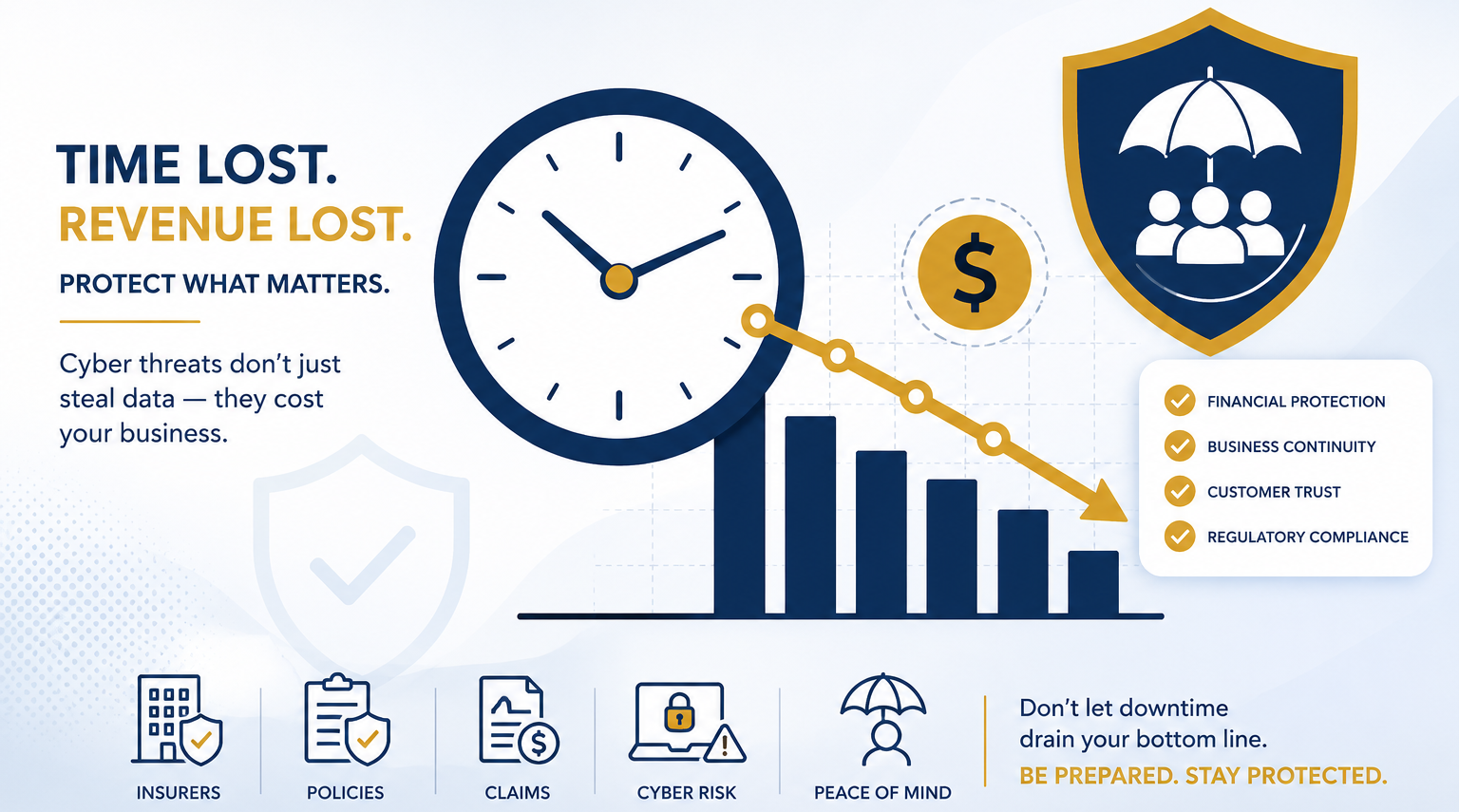
The direct costs are the easiest to see and the hardest to fully calculate: halted premium collection, delayed claims payouts, staff sitting idle, and emergency IT spend to bring systems back online. But the indirect costs, brokers moving business elsewhere, customers who don’t renew, deals that stall mid-negotiation, often outweigh the direct losses, and they rarely show up in the same budget line.
Reputation: The Cost That Doesn’t Show Up on the Invoice.
In insurance, trust is the product. When policyholders can’t reach you during an emergency, or brokers can’t get a quote out the door, confidence erodes fast and it’s expensive to win back. Reputational damage doesn’t arrive with a bill attached, but it shows up months later in renewal rates, broker relationships, and new business pipelines.
Regulatory Impact: The IRA Is Watching Closer Than Ever.
In 2025, Kenya’s Insurance Regulatory Authority introduced a directive requiring all licensed insurers and reinsurers to report material cybersecurity incidents within 24 hours of detection or confirmation. The IRA has also made cybersecurity a board-level responsibility requiring board members with cyber expertise, annually reviewed and board-approved cybersecurity strategies, and stronger backup protocols.
Layer that on top of obligations under the Data Protection Act, 2019 (and the Digital Health Act, 2023, for health insurers), and it’s clear: an outage today isn’t just an operational headache, it’s a compliance event with a clock running from the moment it’s detected.
Why Prevention Beats Recovery, Every Time.
Reactive recovery, digital forensics, ransom negotiation, system rebuilds, legal counsel, regulatory reporting, and customer notification consistently costs more than the prevention measures that would have stopped the incident. Organizations with strong monitoring and observability detect and resolve incidents significantly faster than those without, and that speed translates directly into dollars saved. Prevention isn’t a cost center. It’s the cheaper option, every single time.
Cost of Downtime at a Glance.
| Downtime Duration | Estimated Cost Range (Mid-Size Insurer) | Business Impact |
|---|---|---|
| 15 minutes | $25,000 – $75,000 | Delayed claims/quotes, minor customer friction |
| 1 hour | $100,000 – $300,000 | Halted transactions, broker complaints begin |
| 4 hours | $400,000 – $1.2M+ | Regulatory disclosure clock activated, media risk |
| 24 hours | $2.4M+ | Severe reputational damage, possible IRA reporting breach |
How Crystal Technologies Helps Insurers Stay Online and Compliant.
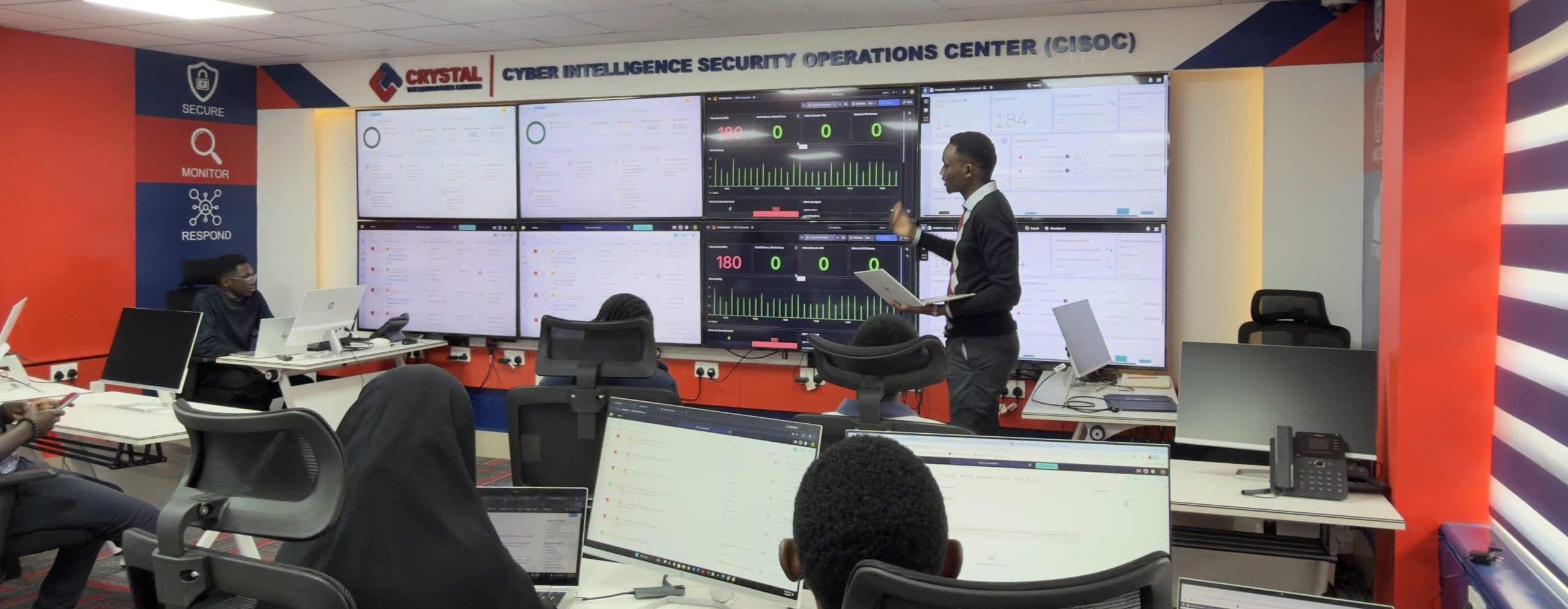
As a leading cybersecurity firm, Crystal Technologies works with insurers and financial institutions across the region to close this gap through 24/7 Security Operations Center (SOC) monitoring, proactive threat detection, incident response, and managed security services designed around the compliance realities insurers actually face.
Talk to Our Managed Services Team.
Downtime is not a matter of if, it’s a matter of when, and how prepared you are. Let’s talk about what it would really cost your organization, and how to make sure you never have to find out.
📧 soc@crystal.co.ke | 📧 support@crystaltech.co.ke
 Chat with Us